Three Ways to Deepen Your Connection to Nature in London
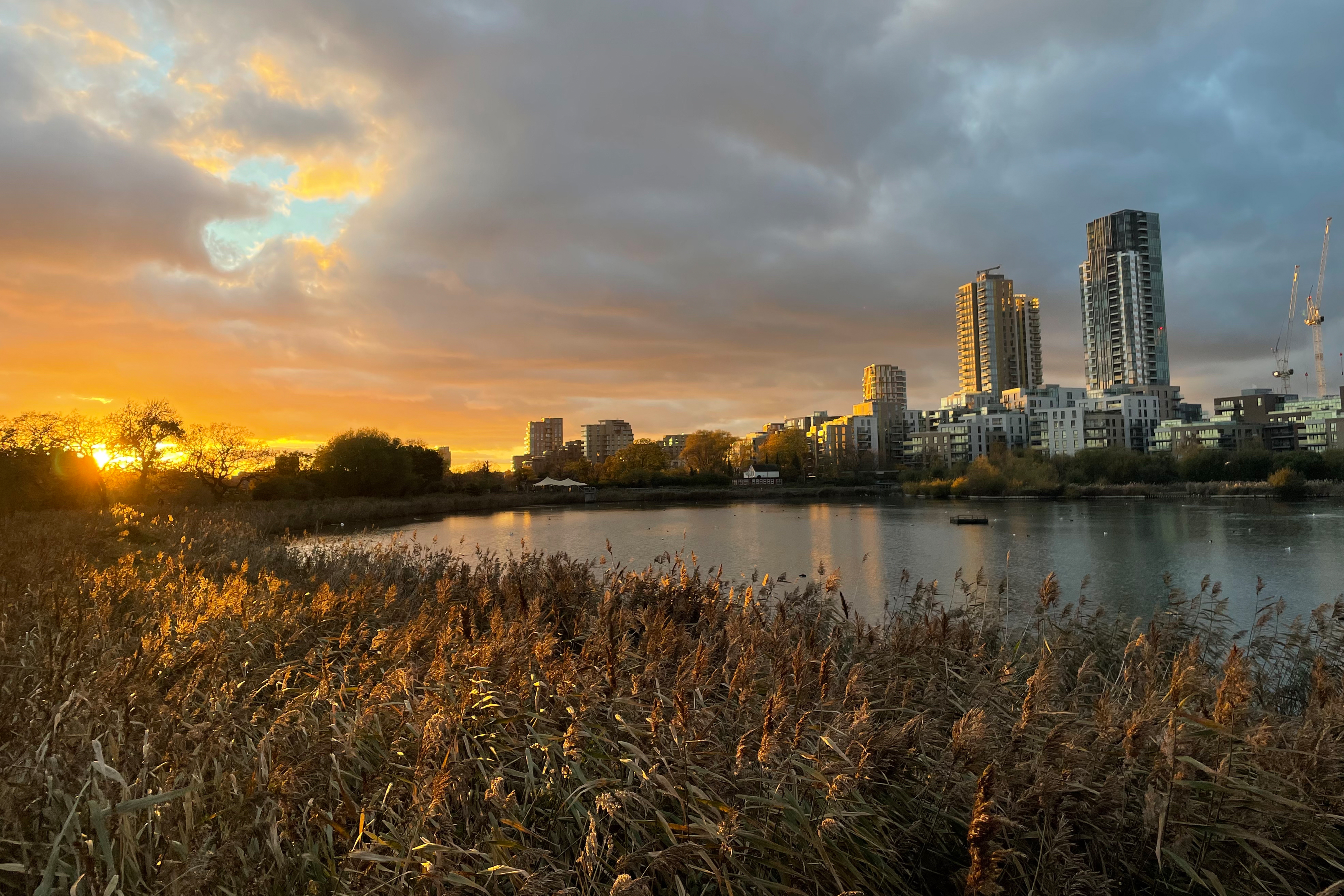
The city lights. Concrete and glass and tarmac. Busyness and rushing around. There are around 8.9 million of us Londoners working, living and playing side by side. It truly is a wonderfully diverse, exciting and dynamic city. Yet it is noisy, hectic and can be stressful.
But all around us nature’s rhythms flow. Noticing nature always gives me a boost: my joy, and wellbeing lift. A dandelion springing improbably through a pavement crack, a brood of ducklings dozing in the sun, a fox strolling by, a charm of goldfinches visiting wildflower seed heads, bird song. The sparrow bushes are a favourite. A thicket with maybe twenty birds chirping raucously to each other in social chatter lifts my heart without fail.
Creating the conditions to be with nature by building nature contact into our working patterns is a rewarding practice. And simply exploring, choosing a walking route, or being curious to discover a new park all helps us increase our nature immersion in the city.
I live in the district of Elephant and Castle, and within it are pockets of green I’ve explored and lingered in a lot. My wonderful walking route to work sets off through Lamlash Gardens, a street — long blocked off to traffic — turned into a community garden and a lush ‘tunnel’ of trees and flowers. The Peace Garden in the grounds of the Imperial War Museum is a hidden gem for meditating amongst the incredible scents of flowers and carries a weight and peacefulness that contrasts to the mighty warship guns around the corner. I finish my walk by crossing the Thames, its surface an infinite animate of textures and then through the manicured and lovely Victoria Embankment Gardens.

Three ways to deepen your connection to nature in London:
Notice: sometimes nature is hidden within a busy, noisy, often stressful environment with work and life preoccupations filling minds that are rushing between meetings. But nature is always present. A practice I use is to take a couple of deep breaths before setting out. This helps calm the mind and brings forward an intention to notice nature on the coming journey. When you set out with an expectation to see nature, it truly is everywhere in the city. Butterflies clouding a buddleia bush seen whilst waiting to cross a road, bird song before entering the underground. Repeating this practice helps to build my openness to noticing nature.
Create opportunities: to be in nature. A walking meeting is a favourite for Ostara colleagues. Wandering along river banks and through London’s parks helps ideas to flow, conversations to loosen and for more expansive thinking. Not all meetings have to happen behind a computer screen. But even if they do, at this time of year it is easy to make a call on a laptop or a phone from a park bench surrounded by trees whispering in the breeze. Be deliberative about practices at work too. Our monthly ‘heart space’ meetings give the team time to build community and remind ourselves to slow down and take time to be in nature. We often take time to reflect by finding a good spot under a tree, by a pond or in a community garden and journal. This practice helps to process ideas and understand feelings and mirrors the flows and rhythms of nature.
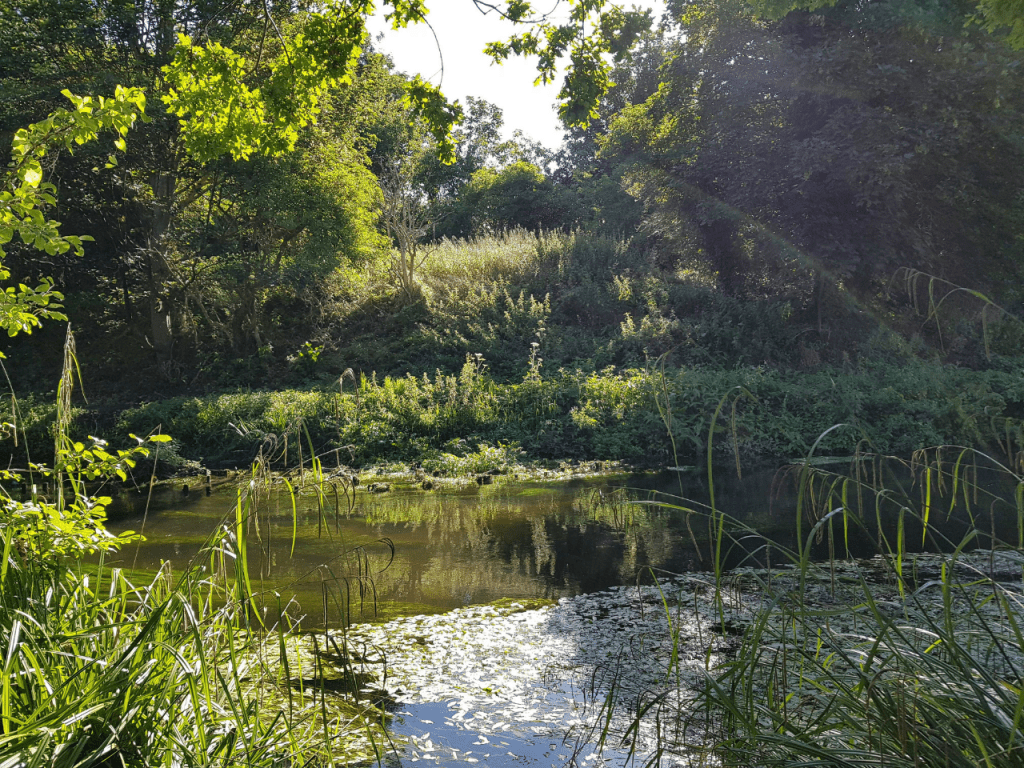
Explore: London is a wonderful place for walking. It is made of many hundreds of communities that are all within walking distance of each other. Taking time to follow a different path can lead to a magical discovery of a hidden town square garden or parklet. I recently visited the river Wandle in Carshalton, an impossibly clear chalk stream seemingly paused in sunny gardens before diving through crowded built up places on its sinuous journey from hills of the North Downs to join the river Thames.
If you want some lesser-known places to go out and explore, here are a few of my colleagues’ favourites:
Woodberry Wetlands and West Reservoir: a perfect escape from the city hustle. Opened by David Attenborough in 2016, the wetlands are a reed-fringed haven for wildlife and people alike — the perfect place to sip a coffee and watch herons, dragonflies and the resident red fox go about their day. Next, wander round to the West Reservoir for a late afternoon swim.
Spot a skylark at Wansted Flats: head east to this sprawling grassland on the edge of Epping Forest, where skylarks sing above the open plains and foxes skulk through the bramble. Bring a thermos and settle in for sunrise; this is London at its most quietly wild.
Paddle a canoe up the River Lea: take the overground to Hackney Wick and head to Moo Canoes to rent yourself a jazzy vessel. Head north up the river and you’ll soon be sharing the waterways with swans, cormorants and moorhen as you paddle past the tree-lined Hackney Marshes and up towards the Walthamstow Wetlands.
London Wetland Centre: tucked away in Barnes, this lush oasis of lagoons, reedbeds and hides is home to kingfishers, bitterns and countless migratory birds. Spend a lazy afternoon following the boardwalks, binoculars in hand, and round it off with cake and a view at the waterside café.
Take a wander along the Parkland Walk: at 4km long, this old railway line is the longest linear nature reserve in London — stretching all the way from Finsbury Park to Highbury. Walk, cycle or run along this beautiful wooded stretch and listen to the birds singing in the trees as you go. If you pass by at dusk, you might even spot a friendly bat fluttering through the railway tunnels.
Finally, if you’re keen to find other wild areas to help you deepen your connection to nature in London, check out the London National Park City Urban Nature Map for all the woodlands, parks, farms, gardens, rivers and recommended walks in your neighbourhood and woven throughout the city. Happy exploring!